Protecting the aging brain
People with Down syndrome face a higher risk of early dementia. That's why I read so much about brain health, for my daughter and for me. Nothing I share here is meant to prevent or treat any disease. Sources

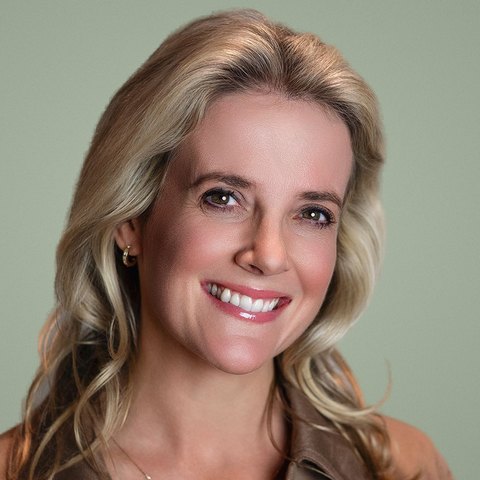
I'm Ashley, a physician and a special needs mom. I share what our family does for brain health, sleep and movement, so you can find ideas and keep hope.
My writing has appeared in KevinMD Detroit Mom

On January 24, 2014, I was running the operating room board at the hospital where I worked as an attending anesthesiologist. I had spent twelve years following the road map to becoming a doctor, and I was proud to be "one of the boys" in a field full of men.
The next day our first child, Sidney, was born. As the nurses cleaned her up, the delivery room went silent, and we were told she likely had Down syndrome. In the middle of that grief, I asked out loud to go back to work.
Seven weeks later, I did. For over a year I was a capable doctor at the hospital and a depressed woman everywhere else. Work was the one place I could numb the pain.
When my group lost its contract, the new one offered part time. I said yes without knowing why. I started therapy, found a mentor who was also a part-time anesthesiologist, and went back to work on myself. I learned to feel the pain instead of numbing it, and it changed me as a mother, a physician and a person.
Sidney's road has had more turns since then. In 2020 she was also diagnosed with autism. I've learned how much her body, movement, sleep and senses shape how her brain learns, and how much my own wellbeing shapes hers. I've stepped away from practicing medicine to share what I've learned with moms like me.
I see you, and I will continue to go to work so that you can be seen.From my essay for World Down Syndrome Day, 2022
Sidney is 12. She has Down syndrome and autism, low muscle tone, and big sensitivities to sound and sensory overload. This year I went all in on her body, especially her core, because I've seen how much it shapes her learning. Here's what we've been doing.
This fall, Sidney joined a general education science class. The idea came from another mom whose son loved his science class. I brought it up at Sidney's IEP meeting last May. The team wasn't ready yet, so I asked what she would need to be successful, and that gave us a target for the summer: communication and conversation skills. In August, I emailed her team about the gains she had made and how science would continue that work. Two days later, they said yes.
Changes like this take time. There are a lot of moving parts, and teachers are doing the best they can. What works for us is planting a seed and coming back to it at a later date, with goals that are manageable and attainable.
After Sidney's autism diagnosis, we couldn't find a school that would let her attend with her ABA therapist. Then we found Connections Learning Lab, a small micro-school in Michigan where about 40 percent of the learners are neurodivergent. Its founders, Amie and Katie, welcomed her with open arms.
Sidney spent a little over three years there. With the right support beside her, she made real friends and grew in ways we hadn't seen before. She graduated in 2025.
Their mission became mine. When CLL became a 501(c)(3) nonprofit, I served as president of its board for about a year, and I learned how much it takes to build an inclusive school for neurodiverse kids.
Former Board President, Connections Learning LabSidney is part of Michigan's Children's Waiver Program, a Medicaid-funded program that provides home and community-based services for children with disabilities. We were on the waitlist for almost two years before a spot opened for her. Then it took almost another year to find and hire our caregivers.
Once she was approved, self-determination let me recruit and hire our own staff for community living supports and respite. Our caregivers help get Sidney to her appointments, and they give me time back for my husband, our boys, myself, and my own mental health.
Everything else on this page depends on that help. I want every family who might qualify to know this program exists.
I share what has worked for me and my family. Every family is different, so talk with your own doctors about what fits yours. I have a background in medicine, but I'm not practicing, and I'm not a specialist in brain health, sleep or child development. I'm not your doctor or your child's doctor.
Special needs parents don't have time to research everything. I read the studies, try the tools, and look for the most affordable way to do it.
Our kids keep learning and growing, often more than we were told to expect. I'm here to remind you to keep hoping.

A lotus roots in mud and still opens clean. The hardest year of my life is where my growth began. Napoleon Hill's Think and Grow Rich gave me words for it: every adversity carries the seed of an equal or greater benefit.

The ensō is a Zen circle painted in a single brushstroke. It stands for wholeness, accepting imperfection, and living with intention.
The three arrows stand for the three copies of chromosome 21 in Down syndrome. They also point forward, because that's the only direction we're headed.
I'm intentional about who I surround myself with, the energy they bring, and what I value. I support people who make a difference in other people's lives, and I try to let that run through everything I do, so the good keeps coming back around.
I've been writing about life with Sidney since she was born. More essays and letters are on the way, and someday a book: The Upside Down Doc.
The day before Sidney was born, the day everything changed, and how working part time gave me room to heal.
Read on KevinMD Detroit Mom · October 2022Trusting your instincts when something changes, and getting the right help. One of Detroit Mom's top five posts of 2022.
Read on Detroit MomEssays and letters about grief, gratitude, and finding my way back to hope.
The products that have made a real difference for our family, and how we use them. See the list.
A short weekly email with what's working for us and a little encouragement. Sign up and get my free Hug Plan template.
I dream of a place where people of all ages connect through movement and sensory-rich play. I've seen how much every human needs this.
Right now there are too many barriers keeping kids who need it most from exercise and science-backed movement. Screens fill the gaps, and there are so few chances after school and on weekends for kids to play and talk with other kids and adults.
Moving together, playing together and connecting with each other is one of the best things we can give each other.